
Karen Russell’s captivating collection, including the titular story, explores unique challenges.
Numerous online resources, like those found on Amazon and LitCharts,
offer insights into this remarkable work, often available as a PDF download.
Overview of the Story Collection
“St. Lucy’s Home for Girls Raised by Wolves” is a striking collection of short stories by Karen Russell, renowned for blending fantastical elements with poignant explorations of the human condition. The stories, frequently available as a PDF for convenient reading, delve into themes of belonging, identity, and the complexities of transitioning between worlds.
The collection’s strength lies in its imaginative premises and richly developed characters. From girls acclimating to civilization after being raised by wolves, to a community grappling with a bizarre ecological phenomenon, Russell consistently delivers narratives that are both unsettling and deeply moving. Online platforms like LitCharts provide detailed analyses of each story.
Author Karen Russell and Her Style
Karen Russell is a celebrated contemporary American author, known for her distinctive voice and masterful use of magical realism. Her writing often blends the fantastical with the deeply human, exploring themes of isolation, transformation, and the search for belonging. Many readers access her work, including “St. Lucy’s Home…”, as a convenient PDF.
Reviewers, like those at the New York Post and Los Angeles Times Book Review, consistently praise Russell’s originality and lyrical prose. Her style is characterized by vivid imagery, quirky characters, and a willingness to embrace the strange and unsettling, creating a truly unique literary experience.
Core Themes in the Collection
Russell’s stories, readily available as a PDF, delve into assimilation, identity, and the tension between wildness and civilization.
These themes resonate deeply with readers and critics alike.
Cultural Assimilation and Identity
St. Lucy’s Home profoundly examines the difficulties of cultural assimilation, vividly portraying girls abruptly thrust into societal norms after lives in the wild. The PDF versions of the stories highlight the nuns’ attempts to instill “civilized” behavior, contrasting sharply with the girls’ instinctive, wolf-influenced ways.
This struggle isn’t merely behavioral; it’s a fundamental questioning of identity. The girls grapple with who they are versus who they are expected to be, a relatable metaphor for anyone navigating societal pressures and expectations. Russell masterfully portrays this internal conflict.
The Wild vs. Civilization
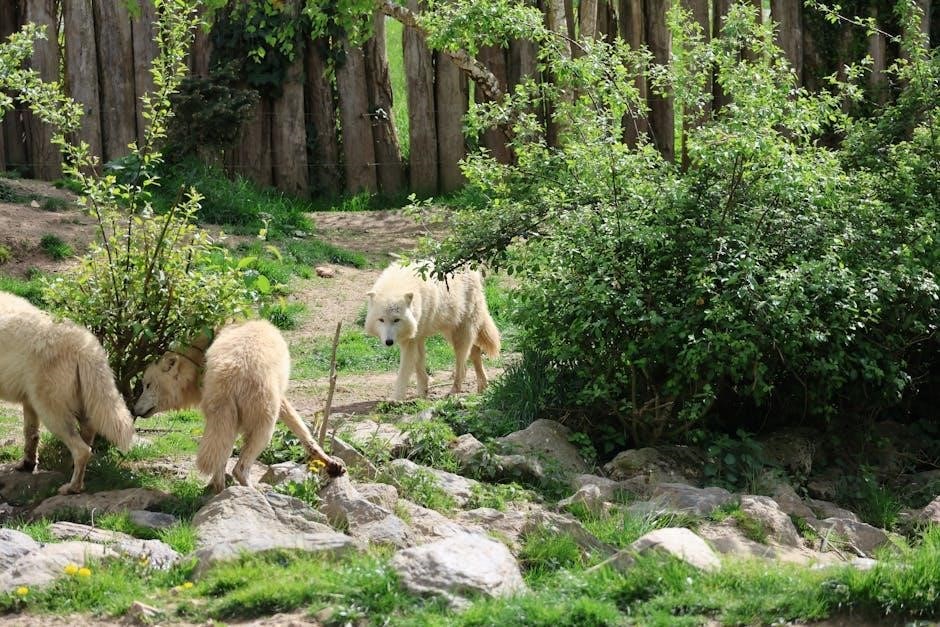
“St. Lucy’s Home” presents a compelling dichotomy between the untamed freedom of the wilderness and the restrictive order of civilization; PDF analyses reveal how Russell uses the girls’ primal behaviors – peeing on beds, smashing lights – to symbolize resistance against imposed norms.
The story isn’t a simple condemnation of civilization, but an exploration of what’s lost and gained in the transition. The natural world represents instinct and authenticity, while the Home embodies control and societal expectations, creating a powerful tension.
Loss of Innocence and Coming-of-Age
Karen Russell’s stories, often available as a PDF, deeply explore the painful process of growing up. In “St. Lucy’s Home,” the girls’ transition isn’t a typical adolescence; it’s a forced assimilation, stripping them of their wolf-identity and innocence.
This abrupt shift highlights the loss inherent in becoming “civilized.” The narrative examines how societal pressures and expectations can damage a sense of self, questioning the very definition of maturity and belonging.

“St. Lucy’s Home for Girls Raised by Wolves” ― The Title Story
“St. Lucy’s Home” details the girls’ disruptive arrival and struggles with societal norms.
Readers can find the complete story, and analyses, often as a convenient PDF online.
The story centers on five girls, raised by wolves, transitioning to St. Lucy’s Home. Initially, they exhibit wild behaviors – marking territory, preferring darkness, and displaying limited verbal skills. Sister Josephine and the nuns attempt to civilize them through etiquette lessons and language instruction.
However, the girls struggle to adapt, clinging to their wolfish instincts. The narrative follows their attempts at assimilation, punctuated by rebellious acts and poignant moments of longing for their former lives. Many online resources, including downloadable PDF versions, provide a detailed account of this compelling plot.
The Girls’ Initial Adjustment to the Home
Initially, the girls’ adjustment is fraught with challenges, marked by disruptive behaviors stemming from their upbringing. They struggle with basic social norms, peeing on beds and damaging property, reflecting their wolfish instincts. Sister Josephine and the nuns face difficulties in curbing these wild tendencies.
The girls’ discomfort with civilized life is palpable, and their attempts at assimilation are met with resistance. Detailed analyses, often available as a PDF, explore this turbulent period, highlighting the clash between their nature and the Home’s expectations.
Sister Josephine and the Nuns’ Perspective
Sister Josephine embodies the authority and control within St. Lucy’s, tasked with civilizing the girls. The nuns, while dedicated, are often bewildered by the girls’ behaviors, struggling to reconcile their wildness with societal expectations. Their perspective is one of cautious optimism mixed with frustration.
Detailed analyses, frequently found as a PDF, reveal the nuns’ attempts to impose structure and language. They represent the institution’s efforts at assimilation, though their methods are sometimes rigid and ineffective, as highlighted in various online reviews.

Character Analysis
Character studies, often available as a PDF, delve into the girls’ collective identity and Sister Josephine’s role.
LitCharts and Amazon provide detailed insights into their motivations and development.
The Girls Raised by Wolves – Collective Identity
The girls, initially presented as a unified group, struggle with assimilation, retaining wolf-like behaviors. PDF analyses highlight their shared past and instinctive reactions to the structured environment of St. Lucy’s.
Their collective identity is defined by a primal connection, contrasting sharply with the nuns’ expectations of femininity and civility. LitCharts and resources on Amazon detail how their “pack” mentality influences their interactions and resistance to societal norms, forming a unique bond.
Sister Josephine – Authority and Control
Sister Josephine embodies the institution’s rigid control, attempting to impose order on the wild girls. PDF resources reveal her frustration with their untamed nature and her dedication to “civilizing” them.
Analyses on platforms like LitCharts and Amazon demonstrate her methods – a blend of discipline and misguided compassion – highlighting the power dynamics within St. Lucy’s. Her authority is constantly challenged by the girls’ inherent wolf instincts, creating a central conflict.
Other Key Characters within the Home
Beyond Sister Josephine, St. Lucy’s houses a cast influencing the girls’ transformation. Sister Maria de la Guardia, mentioned in summaries available as a PDF, represents a gentler approach.
Online resources, including Amazon listings and analyses on LitCharts, reveal the presence of other nuns and staff, each contributing to the home’s atmosphere. These characters, though less prominent, shape the girls’ experiences and highlight the complexities of the institution.

Literary Devices and Techniques
Russell masterfully employs magical realism, vividly portraying the girls’ wild past.
Detailed analyses, often found in PDF format on sites like LitCharts,
explore her symbolic use of wolves and the home itself.
Magical Realism and its Impact
Magical realism is central to Russell’s storytelling, seamlessly blending the fantastical with the mundane. The girls’ wolf-like behaviors – marking territory, preferring darkness – aren’t presented as extraordinary, but as simply being. This technique allows Russell to explore complex themes of assimilation and identity with a unique, unsettling power.
Readers can find detailed examinations of this stylistic choice in critical analyses, frequently available as a PDF document. Resources like LitCharts dissect how this approach enhances the story’s emotional resonance and metaphorical depth, making the girls’ struggles both relatable and profoundly strange.
Use of Symbolism (Wolves, the Home, etc.)
Wolves represent the girls’ former lives, wildness, and inherent instincts, sharply contrasting with the restrictive environment of St. Lucy’s Home. The Home itself symbolizes societal attempts at control and forced conformity. These potent symbols are interwoven throughout the narrative, enriching the story’s thematic layers.
Comprehensive analyses, often accessible as a PDF, delve into these symbolic representations. Resources like those found on Amazon and LitCharts illuminate how Russell employs these elements to explore themes of identity and the loss of natural instinct.
Narrative Structure and Point of View
Russell masterfully employs a fragmented, non-linear narrative structure, mirroring the girls’ disjointed experiences and struggles with assimilation. The story often shifts perspectives, offering glimpses into the minds of both the girls and the nuns at St. Lucy’s Home.
Detailed analyses, frequently available as a PDF, dissect this technique. Resources like LitCharts and Amazon book listings highlight how this structure enhances the story’s emotional impact and thematic resonance, creating a uniquely compelling reading experience.

Critical Reception and Reviews
Russell’s collection garnered significant praise, with the New York Post calling it “marvelous.” Amazon and LitCharts offer reviews, often as a PDF, detailing its impact.
Praise from the New York Post
The New York Post lauded Karen Russell’s “St. Lucy’s Home for Girls Raised by Wolves” as a “marvelous book,” placing it within a distinguished literary tradition alongside authors like George Saunders and Katherine Dunn. This enthusiastic endorsement highlights the collection’s originality and captivating storytelling.
Readers seeking a deeper understanding can often find critical analyses, including excerpts from this review, readily available online, sometimes compiled as a convenient PDF document for easy access and study. The Post’s praise underscores the collection’s lasting impact.
Los Angeles Times Book Review Commentary
Susan Salter Reynolds, writing for the Los Angeles Times Book Review, delivered a fervent appraisal of Russell’s work, declaring her a “breakneck demon writer.” Reynolds’ vivid language emphasizes the electrifying prose and imaginative power present throughout “St. Lucy’s Home for Girls Raised by Wolves.”
The review urges readers to engage with Russell’s stories immediately, suggesting a compelling and urgent reading experience. Digital versions, including analyses and potentially the review itself as a PDF, are often accessible online for further exploration.
Booklist’s Starred Review
Booklist awarded “St. Lucy’s Home for Girls Raised by Wolves” a coveted starred review, praising Russell’s debut collection as “a thing of beauty.” The review highlights the stories’ originality and unsettling yet joyful nature, predicting lasting impact on readers.
The commentary emphasizes the collection’s memorable quality, positioning Russell alongside authors like George Saunders and Katherine Dunn. Digital access to the full review, potentially as a PDF, allows for deeper engagement with this critical assessment.
Exploring Real-World Issues
Russell masterfully addresses cultural assimilation through fantastical elements, making complex issues accessible. A PDF version facilitates deeper study of these relatable themes and metaphors.
Relatable Issues of Cultural Assimilation
St. Lucy’s vividly portrays the difficulties of adapting to a new culture, mirroring experiences faced by immigrants and those from marginalized backgrounds. The girls’ struggles with language, societal norms, and suppressing their natural instincts resonate deeply.
Russell uses the fantastical premise to explore these themes with nuance, prompting reflection on the pressures to conform. Accessing the story as a PDF allows for focused analysis of these assimilation challenges, highlighting the emotional toll and loss of identity inherent in the process.
The Story as a Metaphor for Societal Pressures
“St. Lucy’s” functions as a powerful metaphor for the constraints imposed by society, particularly on those deemed “other.” The nuns’ attempts to “civilize” the girls represent broader societal efforts to enforce conformity and suppress individuality.
Reading the story, perhaps as a readily available PDF, reveals how these pressures can be damaging and dehumanizing. Russell skillfully illustrates the tension between natural instincts and societal expectations, prompting readers to question the true cost of assimilation.
Comparison to Other Works by Karen Russell
Russell’s recurring themes, like those in “Orange World,” resonate throughout her work. Exploring her stories, even in PDF format, reveals consistent stylistic and thematic elements.
Similarities to “Orange World”
Both “St. Lucy’s Home for Girls Raised by Wolves” and “Orange World” showcase Karen Russell’s talent for blending fantastical elements with deeply human concerns. They both explore themes of isolation, adaptation, and the struggle to maintain identity in the face of overwhelming change.
Like accessing a PDF of “St. Lucy’s,” reading “Orange World” reveals Russell’s signature magical realism. Both narratives feature characters grappling with unusual circumstances, forcing them to confront their place in the world and redefine what it means to belong.
The stories share a similar melancholic tone, even amidst moments of dark humor, and a focus on the complexities of familial and societal bonds.
Russell’s Recurring Themes
Karen Russell consistently investigates the blurred lines between the natural world and civilization, a prominent feature in “St. Lucy’s Home for Girls Raised by Wolves,” readily available as a PDF online. She frequently explores themes of displacement and the challenges of assimilation, often through fantastical lenses.
Loss of innocence and the complexities of growing up are central to her work, mirroring the girls’ difficult transition. Russell’s stories often feature characters on the fringes of society, grappling with identity and belonging, echoing the girls’ unique upbringing.
Her narratives consistently question societal norms and expectations.

The Setting and its Significance
St. Lucy’s isolated location symbolizes the girls’ separation from both wolf packs and human society, a key element explored in the PDF version.
The Isolated Nature of St. Lucy’s Home
St. Lucy’s physical remoteness is crucial, mirroring the girls’ emotional and cultural detachment. The home’s seclusion, often detailed in readily available PDF analyses, emphasizes their struggle to integrate. This isolation isn’t merely geographical; it represents a deliberate separation from both the wild and conventional civilization.
The nuns attempt to impose structure, yet the setting itself reinforces the girls’ ‘otherness’. Exploring this aspect within the collection, or a downloadable PDF version, reveals how the environment actively shapes their experiences and challenges their assimilation.
The Contrast Between the Natural World and the Institution
Russell masterfully juxtaposes the freedom of the wilderness with the rigid confines of St. Lucy’s. This stark contrast, often highlighted in critical PDF analyses, underscores the central conflict. The girls, accustomed to instinct and untamed landscapes, find themselves stifled by rules and societal expectations.
The institution represents control, while the natural world embodies liberation. Examining this dynamic, perhaps through a readily available PDF of the stories, reveals Russell’s commentary on the complexities of civilization and the loss of primal connection.
Analyzing the Story’s Ending
The ambiguous conclusion, often discussed in PDF analyses, leaves the girls’ future uncertain. LitCharts and Amazon resources explore varied interpretations of their final, haunting transformation.
Ambiguity and Interpretation
The story’s ending deliberately resists easy resolution, prompting diverse interpretations readily available in PDF study guides like those on LitCharts. Do the girls truly integrate, or merely mimic human behavior? Amazon discussions reveal readers debating whether their final act signifies a tragic failure or a subversive reclaiming of their wild selves.
Russell masterfully avoids definitive answers, instead emphasizing the complexities of identity and belonging. The open-endedness encourages contemplation on the lasting impact of trauma and the elusive nature of “civilization,” fostering a rich and unsettling reading experience.
The Girls’ Future Prospects
The narrative offers little certainty regarding the girls’ long-term fate, a point frequently analyzed in online resources and PDF summaries like those found on LitCharts. Will they successfully navigate societal expectations, or remain forever outsiders? Amazon forums buzz with speculation about their ability to reconcile their past with a conventional future.
Russell intentionally leaves their paths unclear, suggesting that true integration may be impossible. Their ambiguous ending underscores the story’s central theme: the enduring power of instinct and the challenges of shedding one’s fundamental nature.
The Role of Language and Communication
The girls initially struggle with verbal skills, a key focus detailed in analyses and PDF versions available online. Nuns attempt instruction,
but communication remains a significant barrier.
The Girls’ Limited Verbal Skills
Having been raised by wolves, the girls arrive at St. Lucy’s with drastically underdeveloped language capabilities. Their communication relies heavily on primal vocalizations – growls, whimpers, and howls – reflecting their upbringing. LitCharts and readily available PDF versions of the story highlight this challenge.
Sister Josephine and the nuns face considerable difficulty in teaching them conventional speech. The girls’ initial attempts at language are fragmented and often misinterpreted, leading to frustration and misunderstanding. This linguistic gap underscores their profound cultural displacement and the arduous process of assimilation.
The Nuns’ Attempts to Teach Language
Sister Josephine and the staff at St. Lucy’s embark on a painstaking effort to instill language in the girls, employing various methods detailed in analyses like those on LitCharts and accessible PDF versions. They utilize flashcards, repetition, and strict behavioral conditioning, aiming to replace wolfish communication with proper speech.
However, these attempts are met with limited success, as the girls struggle to grasp abstract concepts and societal norms embedded within language. The nuns’ rigid approach often clashes with the girls’ ingrained instincts, creating a frustrating dynamic and highlighting the complexities of forced assimilation.

Impact and Legacy of the Collection
Russell’s work resonates with readers, influencing contemporary literature. Accessible PDF versions and analyses on sites like LitCharts ensure its enduring impact and continued study.
Influence on Contemporary Literature
Karen Russell’s distinct voice, showcased in “St. Lucy’s Home for Girls Raised by Wolves,” has demonstrably impacted contemporary short fiction. Her blend of magical realism and exploration of complex themes—like assimilation and identity—has inspired a new wave of writers. The collection’s success, readily available as a PDF for study, encourages experimentation with narrative structure.
Critics, including the New York Post, have lauded Russell’s originality, drawing comparisons to authors like George Saunders. This influence extends beyond style, prompting deeper examinations of societal pressures and the challenges of belonging, making the work a significant touchstone for emerging authors.
Themes that Resonate with Readers
Karen Russell’s “St. Lucy’s Home for Girls Raised by Wolves” deeply resonates with readers due to its exploration of universal themes. The struggle for cultural assimilation, vividly portrayed, mirrors real-world experiences, prompting introspection. The loss of innocence and the complexities of coming-of-age are also powerfully depicted, often studied via accessible PDF versions.
The story’s metaphorical representation of societal pressures, highlighted in analyses like those on LitCharts, strikes a chord. Readers connect with the girls’ yearning for belonging and the challenges of navigating a world that demands conformity, making it a timeless and impactful work.
Availability and Editions
“St. Lucy’s Home…” is widely available in paperback and ebook formats. A PDF version can often be found online, alongside the Vintage Contemporaries edition on Amazon.
Vintage Contemporaries Edition
The Vintage Contemporaries edition of St. Lucy’s Home for Girls Raised by Wolves offers a beautifully presented and accessible version of Russell’s acclaimed collection. Often favored for its portability and affordability, this edition makes the stories readily available to a wider readership.
While a physical copy provides a traditional reading experience, digital formats, including a PDF, are also popular. Searching online retailers like Amazon.com will reveal various options for acquiring this specific edition, ensuring readers can easily delve into Russell’s captivating world.
Amazon.com Book Listings
Amazon.com features multiple listings for St. Lucy’s Home for Girls Raised by Wolves, encompassing both the original and Vintage Contemporaries editions. Customers can explore various formats, including paperback, hardcover, and Kindle editions.
Searching for a “St. Lucy’s Home for Girls Raised by Wolves PDF” on Amazon may yield results for digital versions or links to external sites offering downloadable copies. Be cautious of unofficial sources and prioritize legitimate purchases to support the author and publisher.
Further Research and Resources
LitCharts provides detailed analysis, and online articles offer reviews. Searching for a “St. Lucy’s Home for Girls Raised by Wolves PDF” may yield digital copies.
LitCharts Analysis
LitCharts delivers a comprehensive analysis of “St. Lucy’s Home for Girls Raised by Wolves,” dissecting plot points, character motivations, and key themes with insightful detail. Their resources often include summaries, quote explanations, and explorations of literary devices.
While LitCharts doesn’t directly host a “St. Lucy’s Home for Girls Raised by Wolves PDF” of the entire collection, it serves as an excellent companion for studying the stories. Users seeking a digital version of the text may find options through other online book retailers or libraries.
Online Articles and Reviews
Numerous online platforms host reviews and analyses of Karen Russell’s collection, “St; Lucy’s Home for Girls Raised by Wolves.” The New York Post lauded the work, calling it “unforgettable,” while the Los Angeles Times Book Review praised Russell’s prose. Booklist awarded a starred review, highlighting the collection’s beauty.
Finding a free “St. Lucy’s Home for Girls Raised by Wolves PDF” can be challenging; however, these articles offer valuable critical perspectives on the stories within.