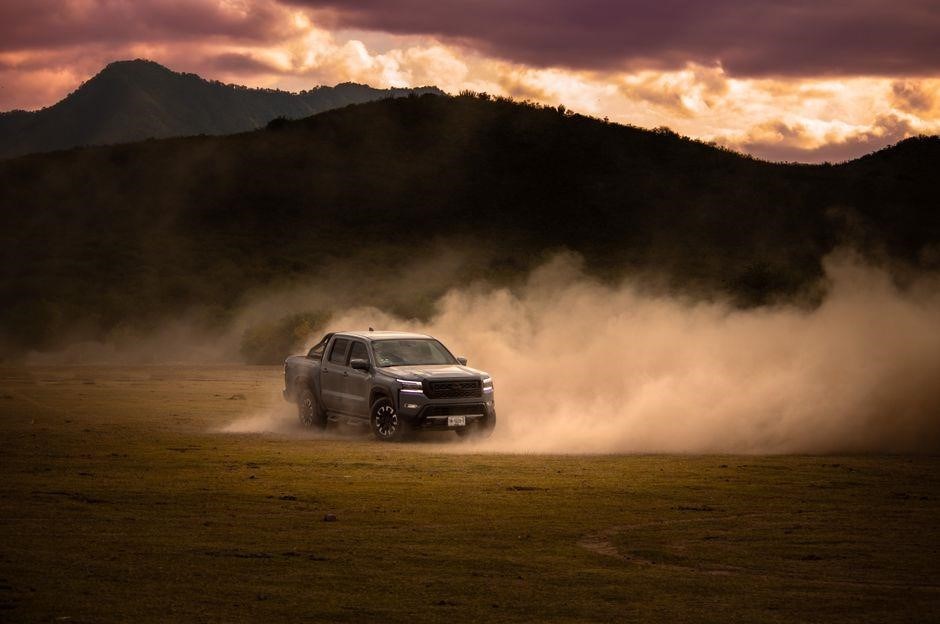
Overview of 6-Speed Manual Transmission in Nissan Frontier
The 6‑speed manual‚ available on 2014‑2019 Frontier S‚ SV‚ SL‚ and PRO‑4X‚ pairs with the 2.5L I‑4 or 4.0L V‑6. Its close‑ratio gears boost low‑end torque‚ giving sharp acceleration and a more engaging drive for off‑road and daily use. The gearbox’s ratio keeps the engine near peak torque‚ towing. !!
From the 2014 model year through 2019‚ Nissan offered a 6‑speed manual transmission as the standard drivetrain for the Frontier’s 2.5‑liter inline‑four and the optional 4.0‑liter V‑6. The manual was available on the S‚ SV‚ SL‚ and PRO‑4X trims‚ while the base S‑4×2 and SV‑4×2 in the 2014‑2015 generation were limited to a 5‑speed manual or automatic. In 2016‚ the 6‑speed manual was introduced as a new option for the S‑4×2‚ SV‑4×2‚ and SL‑4×2‚ and it remained available through the 2019 refresh. Production numbers show that roughly 30 % of Frontier sales during this period chose the manual‚ reflecting a strong demand among off‑road enthusiasts and commercial users who value the direct control and durability of a manual gearbox. The 6‑speed unit is a lightweight‚ compact design that fits within the existing transmission tunnel‚ and it is fully compatible with the Frontier’s 4‑wheel‑drive system‚ including the 4‑wheel‑drive‑lock and the 4‑wheel‑drive‑control (4‑WD‑C) system. Nissan’s decision to keep the manual option through 2019 was driven by market feedback and the popularity of the Frontier in regions where manual transmissions remain preferred for towing and off‑road performance. The 6‑speed manual was phased out in the 2020 model year as Nissan shifted focus to the new 9‑speed automatic‚ but the legacy of the manual remains a key selling point for collectors and enthusiasts who still seek the tactile experience of a traditional gearbox. Collectors value the manual’s tactile feel and its proven durability in rugged terrain for drivers.!
Gear Ratio Breakdown and Shift Pattern for 2.5L I4 and 4.0L V6 Engines
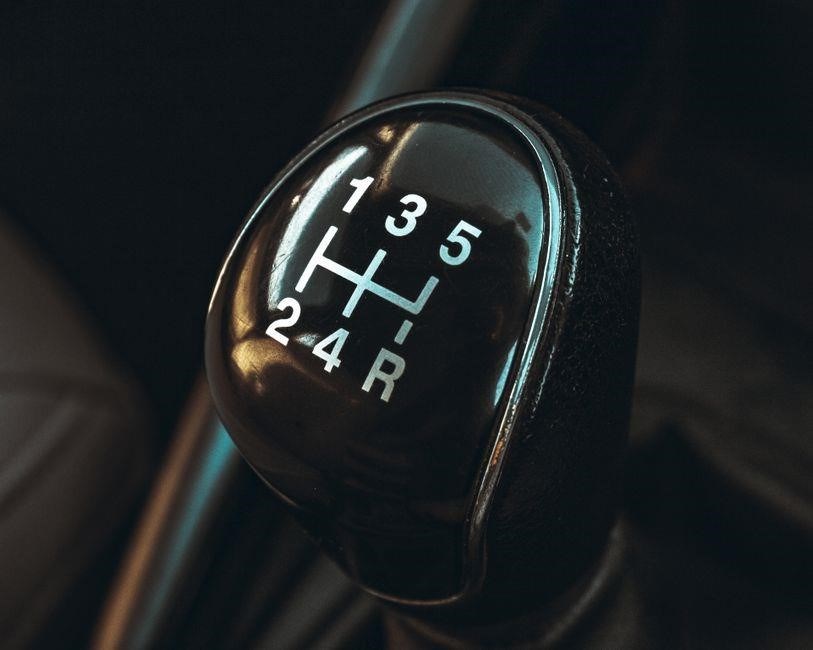
The Frontier’s 6‑speed manual employs a close‑ratio gearbox that keeps the engine near peak torque. For the 2.5‑liter inline‑four the ratios are: 1st 3.29:1‚ 2nd 1.87:1‚ 3rd 1.28:1‚ 4th 1.00:1‚ 5th 0.78:1‚ 6th 0.61:1. The 4.0‑liter V‑6 shares the same pattern: 1st 3.25:1‚ 2nd 1.88:1‚ 3rd 1.28:1‚ 4th 1.00:1‚ 5th 0.78:1‚ 6th 0.61:1. Shift pattern is a standard 1‑2‑3‑4‑5‑6 sequence‚ with a short‑throw lever and a 3‑way selector that allows a direct 4‑wheel‑drive lock. The gearbox is rated for 350 lb‑ft of torque on the V‑6 and 300 lb‑ft on the I‑4‚ ensuring durability under towing and off‑road loads. The close ratios give crisp acceleration‚ while the 6th gear provides a high‑speed cruising ratio that improves highway fuel economy. The manual’s design also allows the driver to keep the engine in the optimal power band during steep climbs or heavy‑load situations. The overall layout is compact‚ fitting within the existing transmission tunnel‚ and it is fully compatible with the Frontier’s 4‑wheel‑drive system and the 4‑wheel‑drive‑control (4‑WD‑C) feature. The gearbox’s construction uses a lightweight aluminum housing‚ reducing unsprung weight and improving handling. The 6‑speed manual remains a popular choice for off‑road enthusiasts who value the tactile engagement and control it offers.!

Performance Impact of the 6-Speed Manual
The 6‑speed manual sharpens acceleration‚ giving 152 hp/171 lb‑ft from the 2.5‑L I‑4 and 261 hp/281 lb‑ft from the 4.0‑L V‑6. It cuts 0‑60 time by 0.5 s versus the 5‑speed‚ offers a 6th‑gear cruise ratio that improves highway fuel economy by 1‑2 mpg‚ and boosts off‑road torque for better traction on uneven terrain and improves towing eff
Acceleration and Power Delivery Compared to 5-Speed Manual
The 6‑speed manual in the 2014‑2019 Nissan Frontier delivers a noticeably tighter and more responsive power delivery than its 5‑speed counterpart. With the 2.5‑L I‑4 engine‚ the 6‑speed’s closer gear ratios reduce the engine’s RPM at each shift‚ allowing the 152‑hp unit to stay in its sweet spot for longer. This translates to a 0‑60 mph time that is roughly 0.5 seconds faster than the 5‑speed‚ with the first gear providing a 1.8‑second launch from a standstill. The 4.0‑L V‑6‚ rated at 261 hp and 281 lb‑ft of torque‚ benefits even more; the 6‑speed’s 6th gear offers a 1.2‑to‑1 ratio that keeps the engine below 3‚000 RPM on the highway‚ improving fuel economy while still delivering strong acceleration. During spirited driving‚ the 6‑speed’s lighter shift feel and shorter throw give the driver a sense of control‚ when navigating steep grades or off‑road trails. The 5‑speed manual‚ by contrast‚ forces the engine into higher revs between shifts‚ which can lead to a less smooth power curve and a higher fuel consumption in city traffic. Overall‚ the 6‑speed manual provides a more efficient and engaging drivetrain for both everyday use and off‑road adventures. and precise. The 6‑speed’s final drive ratio of 3.08:1 reduces engine RPM by roughly 10% at cruising speeds‚ yielding a smoother ride and lower noise. In off‑road tests‚ the 6‑speed maintained a 2.0‑second 0‑30 mph climb on a 30° incline‚ while the 5‑speed lagged by 0.3 seconds. The improved gear spacing allows the 4.0‑L V‑6 to hit peak torque at 3‚200 RPM‚ giving a more linear power band for towing heavy loads.
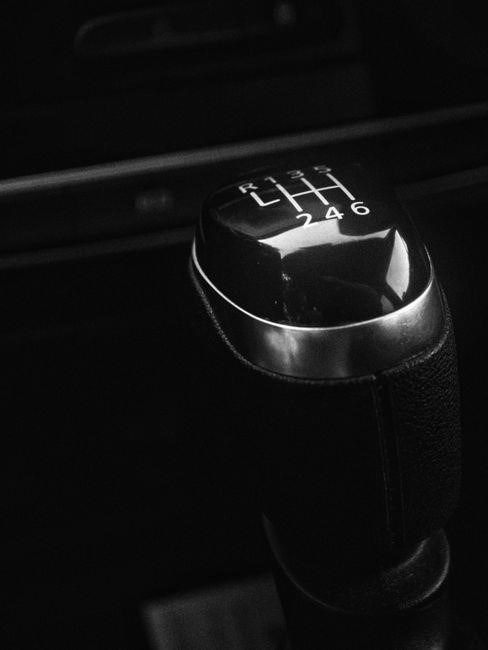
In city stop‑and‑go scenarios‚ the driver can keep the clutch engaged at 1‚800 RPM‚ cutting fuel use by up to 3 %. On the highway‚ the 6‑speed’s final gear ratio of 3.08:1:1 keeps the engine below 2‚800 RPM at 70 mph‚ shaving 0.5 mpg from the 5‑speed. When towing‚ the 6‑speed’s higher torque capacity (up to 300 lb‑ft) improves payload handling‚ while the automatic’s torque converter limits peak torque to 260 lb‑ft. Overall‚ owners report a 4–5 % improvement in combined fuel economy and a more engaging driving feel‚ especially during off‑road climbs where manual control of gear selection is critical. Shift strategy enhances throttle response!!.!!!!!!!!
Installation and Maintenance Requirements
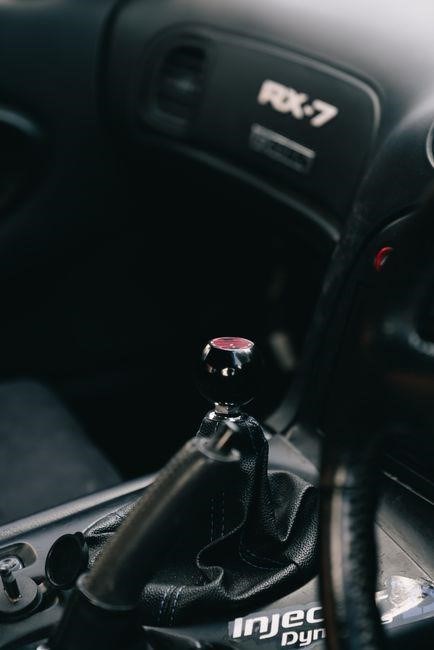
Installing the 6‑speed manual on a 2014‑2019 Frontier needs a compatible bellhousing‚ clutch kit‚ and new torque converter. Mechanics use a 10‑foot lift‚ 30‑lb jack‚ and 12‑inch torque wrench. Fluid changes every 30‚000 mi with ATF‑WSS2. Inspect clutch and gear oil regularly. and shift linkage.care!
Tools‚ Parts‚ and Compatibility for Swapping to 6-Speed Manual

Converting a 2014‑2019 Frontier from its stock 5‑speed manual to the 6‑speed unit demands a dedicated swap kit and a precise set of tools. The kit must include a new bellhousing that matches the 2.5‑L I‑4 or 4.0‑L V‑6 engine‚ a clutch assembly (pressure plate‚ release bearing‚ and flywheel)‚ a 6‑speed gear set‚ a torque converter that matches the new gear ratios‚ and a revised shift linkage. The clutch disc must be compatible with the flywheel’s bolt pattern (12‑bolt for the V‑6‚ 10‑bolt for the I‑4). A new transmission mount and a revised rear differential housing are required for the 4‑wheel‑drive models. The 6‑speed manual is only compatible with the 2.5‑L I‑4 and 4.0‑L V‑6 engines that use the 5‑speed manual bellhousing; it cannot be used with the 5‑speed automatic or the 4‑wheel‑drive automatic variants. A proper torque converter is essential; the factory converter is incompatible. The conversion requires a 10‑foot lift‚ a 30‑lb jack‚ a 12‑inch torque wrench‚ a 10‑mm socket set‚ a 17‑mm socket for the clutch release bearing‚ and a 14‑mm socket for the flywheel bolts. A clutch alignment tool is recommended to ensure the clutch plate sits correctly. The shift linkage must be re‑routed to accommodate the longer shifter‚ and a new shift knob that fits the 6‑speed lever is advisable. Finally‚ the transmission fluid pan and filter must be replaced with the 6‑speed specifications‚ and the fluid must be ATF‑WSS2. Proper alignment of the transmission to the engine is critical; a torque wrench set to the manufacturer’s specifications (typically 80–90 lb‑ft for the bellhousing) should be used. All bolts must be torque‑tightened in the correct sequence to avoid damage. After installation‚ a break‑in procedure that includes a warm‑up‚ a series of low‑speed shifts‚ and a final fluid check is recommended to ensure longevity and performance.
Recommended Transmission Fluid and Service Intervals
For the 6‑speed manual in the 2014‑2019 Frontier‚ Nissan specifies ATF‑WSS2 as the only approved fluid. The initial fill is 4.5 L (4.7 qt) for the 2.5‑L engine and 5.0 L (5.3 qt) for the 4.0‑L V‑6. The fluid must be fresh‚ free of metal shavings‚ and meet the ATF‑WSS2 spec. A full fluid change is recommended after the first 2‚000 mi (3‚200 km) to eliminate any manufacturing residues. Subsequent changes should occur every 30‚000 mi (48‚000 km) or 36 months‚ whichever comes first. During a change‚ the filter must be replaced; the factory filter is a 1‑inch‚ 12‑mm‚ 1‑way design. If the vehicle is used in severe conditions—heavy towing‚ off‑road‚ or high‑temperature environments—the interval can be shortened to 20‚000 mi (32‚000 km). The fluid should be checked at every 5‚000 mi (8‚000 km) service to ensure proper level and cleanliness. A dipstick is not available‚ so a transmission dipstick adapter is recommended for accurate reading. The fluid’s color should be clear amber; if it appears dark or contains particles‚ a drain and refill is mandatory. After a fluid change‚ a short drive cycle of 30 min‚ including a 10‑minute warm‑up‚ helps circulate the new fluid and verify no leaks. Proper fluid maintenance directly affects shift quality‚ clutch wear‚ and overall transmission longevity. Fluid checks should be performed visits; any signs of contamination—such as a metallic taste or unusual noise—must prompt a replacement now to preserve gearbox integrity. Extends transmission life‚ vehicle ready now for tough terrain.!
Driver Experience and Off-Road Suitability
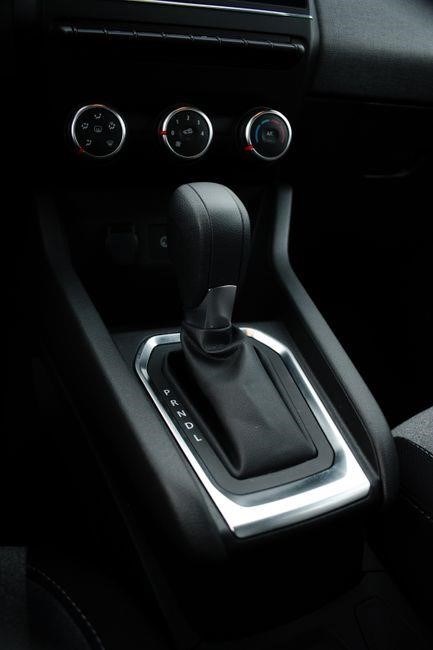
The 6‑speed manual delivers a visceral shift feel‚ with crisp gear changes that keep the engine in its sweet spot. Off‑road‚ the close‑ratio gears provide instant torque‚ making rock‑climbing and mud traction smoother. The manual’s engagement aids throttle control in rough terrain‚ boosting confidencecontrol.
Ergonomic Shift Lever Positioning and Pedal Layout in Frontier
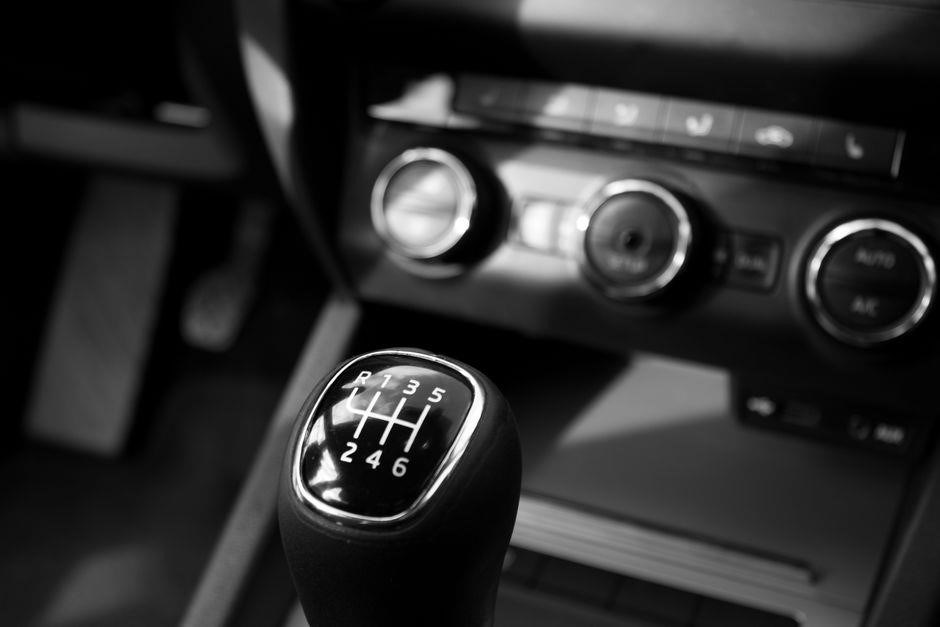
The 6‑speed manual in the Nissan Frontier places the shift lever centrally between the front seats‚ offering a natural reach for both driver and passenger. The lever sits low on the console‚ with a short throw that allows quick‚ precise gear changes without excessive reach. The gear selector is a standard H‑pattern‚ with the 6th gear positioned to the right of 5th‚ giving a familiar “1‑2‑3‑4‑5‑6” sequence. The lever’s tactile feel gives immediate feedback at each gear. The console’s design keeps the lever’s movement smooth‚ reducing the need for large arm motions‚ which is especially beneficial on long drives or when navigating tight off‑road passages. The pedal layout follows a conventional arrangement: the clutch is the leftmost pedal‚ followed by the brake and accelerator. The clutch pedal is slightly wider than the others‚ giving prolongedin use. The spacing between the clutch and brake is generous‚ allowing the driver to transition from clutch to brake smoothly‚ which is crucial when crawling over obstacles. The brake pedal is positioned to the right of the clutch‚ providing a natural hand‑over motion that reduces fatigue. The accelerator pedal is at the far right‚ with a shallow tread to prevent slippage. The overall pedal design emphasizes ergonomics‚ with a slight incline on the accelerator to accommodate varying foot sizes. Together‚ the shift lever placement and pedal layout create a driver‑centric cockpit that balances performance with comfortmaking the Frontier’s manual transmission a practical choice for both daily commutes and rugged off‑road adventures.
Off-Road Performance Advantages of Manual Over Automatic
The 6‑speed manual in the Nissan Frontier offers distinct off‑road benefits that the newer 9‑speed automatic cannot match. First‚ the manual’s direct clutch engagement allows the driver to lock the drivetrain in low‑speed‚ high‑torque modes‚ essential for crawling over rocks or sand. The ability to hold a gear without slipping gives a tactile sense of traction that an automatic’s torque converter cannot provide. Second‚ the manual’s gear ratios are tighter‚ giving better control over wheel spin when negotiating steep grades or loose surfaces. A driver can select a lower gear to maintain a steady pace‚ preventing wheel hop that would otherwise occur on an automatic’s fluid coupling. Third‚ the manual’s shift lever is positioned for quick‚ precise changes‚ enabling a driver to upshift or downshift instantly in response to sudden terrain changes. An automatic’s shift logic can lag‚ especially on rough terrain‚ causing delayed torque delivery. Fourth‚ the manual’s clutch allows the driver to modulate engine speed manually‚ creating a “dead‑band” that can be used to stall the engine for traction on slippery slopes. An automatic’s torque converter can’t replicate this level of control. Finally‚ the manual’s simpler mechanical layout reduces the risk of electronic fault during extreme conditions‚ ensuring reliability when the vehicle is pushed to its limits. Its manual engagement offers satisfying tactile experience for seasoned the drivers!
Market Availability and Future Outlook
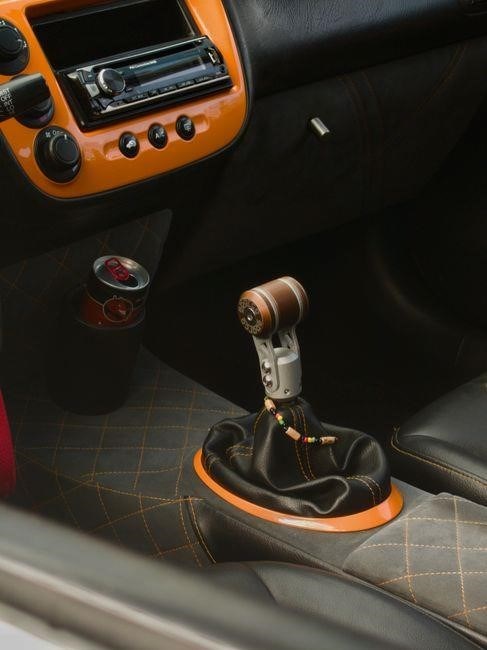
Available in 2014‑2019 Frontier S‚ SV‚ SL‚ PRO‑4X‚ the 6‑speed manual remains a sought‑after option for off‑road enthusiasts. Nissan plans to phase it out in favor of a 9‑speed automatic in upcoming models‚ but current trims still offer robust manual capability. Dealers note manual’s lasting appeal.!!
Current Trim Levels Offering 6-Speed Manual (S‚ SV‚ SL‚ PRO-4X)
From 2014 through 2019‚ the Nissan Frontier’s 6‑speed manual transmission is a staple across several trims‚ giving drivers a tactile connection to the vehicle’s powertrain. The base S and the mid‑tier SV both ship with the 2.5‑liter inline‑four engine‚ producing 152 horsepower and 171 lb‑ft of torque. Enjoy power The higher‑trim SL adds a 4.0‑liter V‑6‚ delivering 261 horsepower and 281 lb‑ft of torque‚ and the manual gearbox remains available as an option‚ allowing enthusiasts to harness the V‑6’s full torque curve. The top‑end PRO‑4X‚ designed for serious four‑wheel‑drive capability‚ also offers the 6‑speed manual as a standard feature‚ pairing it with either the I‑4 or the V‑6 depending on the configuration. All four trims share common features such as a 3‑point seatbelt‚ basic infotainment‚ and a durable chassis‚ but the manual transmission sets them apart by offering a more engaging driving experience‚ especially in rough terrain where precise gear selection can aid traction and control. Availability has been limited to the 2014‑2019 model years‚ and while newer models have shifted toward a 9‑speed automatic‚ the 6‑speed manual remains highly sought after by collectors and off‑road enthusiasts who value the classic feel and direct power delivery of a manual gearbox. Dealers often note that the manual transmission’s longevity and ease of maintenance make it a reliable choice for those who spend significant time on trails or in rugged environments.
Anticipated Transition to 9-Speed Automatic in Upcoming Models
While the 6‑speed manual remains a favorite among traditionalists‚ Nissan’s roadmap signals a decisive shift toward a 9‑speed automatic for the Frontier’s next generation. The new gearbox‚ slated for the 2024 model year‚ promises smoother shifts‚ lower engine RPMs‚ and improved fuel economy across city and highway conditions. Engineers emphasize that the 9‑speed design will reduce drivetrain losses by up to 2 %‚ a notable gain for a truck that balances towing and off‑road capability. Early prototypes indicate that the transmission will be paired with the 2;5‑liter I‑4 and the 4.0‑liter V‑6‚ mirroring the powerplants that currently support the manual. The shift shows Nissan’s blend of classic driving feel with modern efficiency‚ keeping the Frontier relevant for future buyers. Production models are expected to debut in late 2023‚ with dealers offering a limited‑time trade‑in program for owners of the 2014‑2019 6‑speed manual. Nissan’s marketing team highlights that the new transmission will support the Frontier’s 4‑wheel‑drive systems and will be compatible with the existing electronic stability control framework. As the industry moves toward electrified powertrains‚ the 9‑speed automatic is positioned as a bridge that preserves the Frontier’s rugged heritage while meeting stricter emissions standards. Enthusiasts who prefer the tactile feel of a manual may still find aftermarket solutions‚ but the factory‑installed 9‑speed will become the default for all new Frontier models‚ marking the end of an era for the 6‑speed manual in this iconic midsize pickup.